David Sullivan · 21 October 2026
Exploring the Dynamics of Audience Loyalty in Decentralized Social Spaces
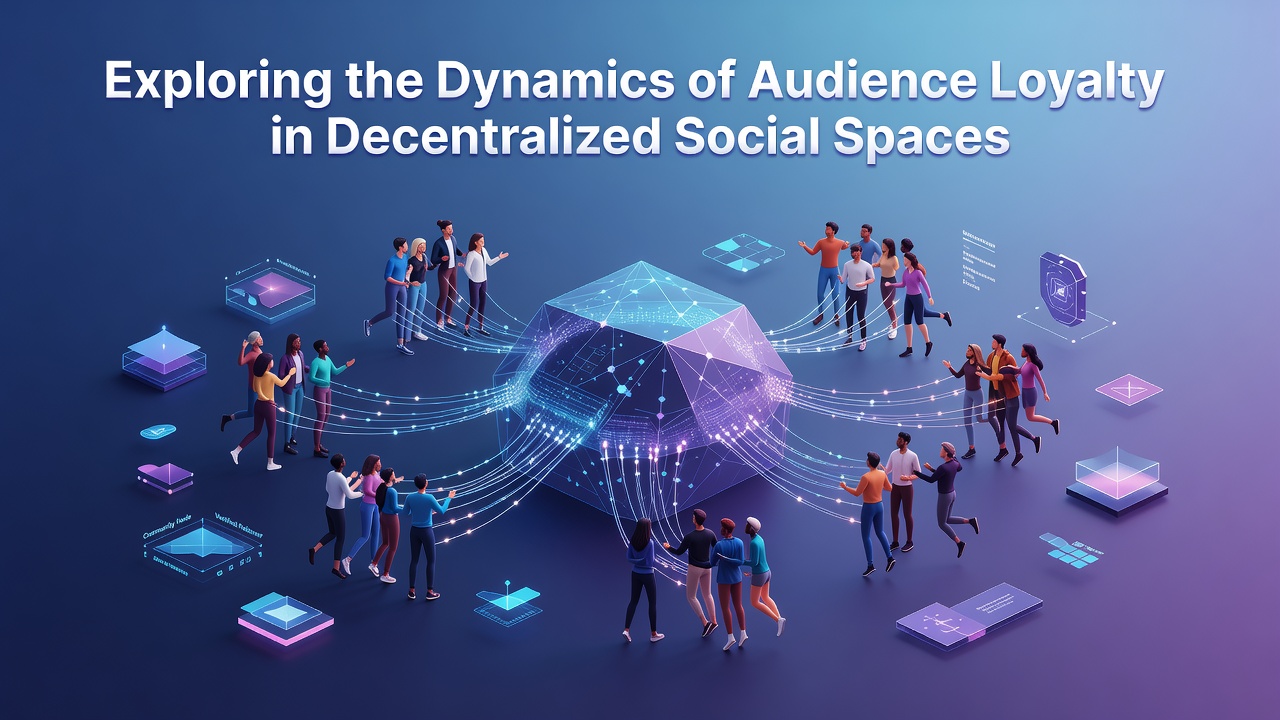
Decentralized social spaces operate on distributed protocols where users retain control over their data and interactions without reliance on single corporate servers, and this structure influences how audiences form lasting connections with platforms and communities alike. Observers note that loyalty emerges through mechanisms such as protocol-level governance and content portability, which allow participants to shift between instances while maintaining their social graphs and histories.
Data from network analyses indicate that retention rates climb when platforms emphasize transparent moderation rules and user voting systems, whereas centralized alternatives often see higher churn following policy shifts. Researchers at various institutions have tracked these patterns across federated environments, finding that participants value the ability to export their activity logs and follower lists without friction.
Core Elements Shaping Retention
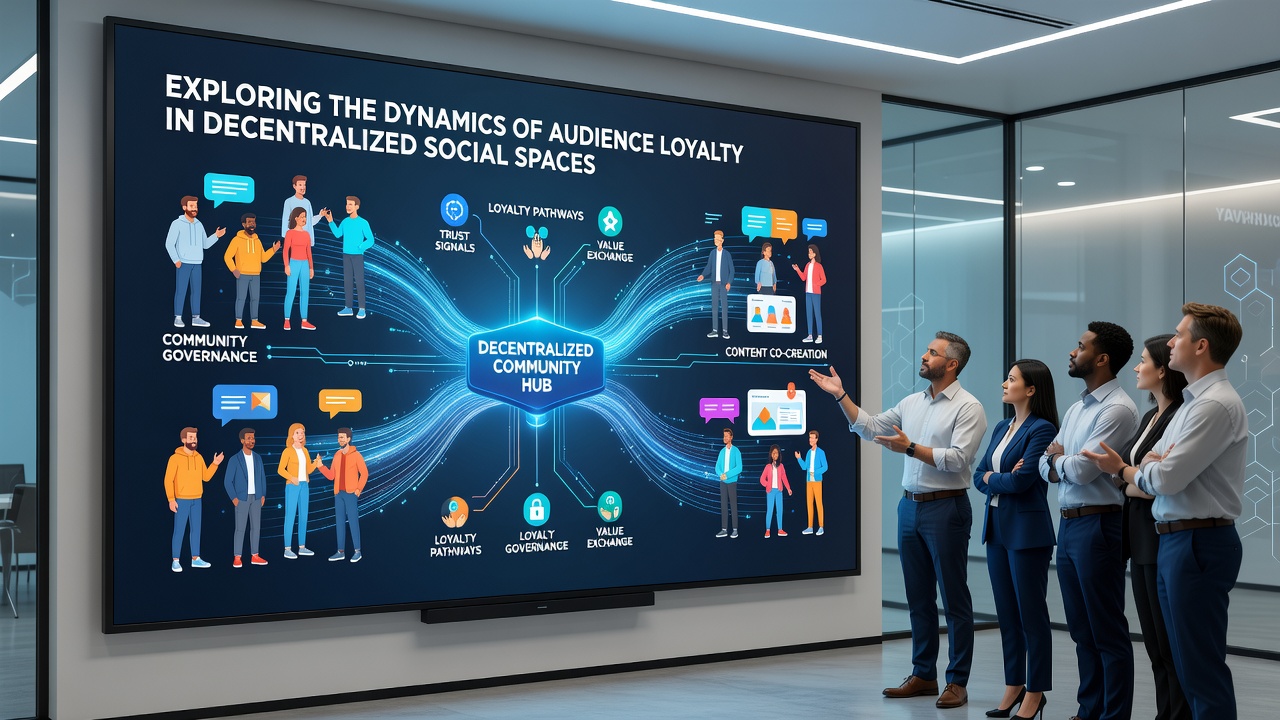
Audience loyalty in these spaces develops around several measurable components including community decision-making processes, algorithmic transparency, and resistance to external regulatory pressures that centralized services encounter more directly. Studies reveal that when users participate in protocol upgrades through token-based voting or similar systems, engagement metrics stabilize over multi-month periods, and this holds true across multiple federated networks active through 2025 into the following year.
Platform operators report that cross-instance discovery tools contribute to sustained activity because individuals locate compatible communities without starting over, and metrics collected by independent analysts show repeat visits increase by notable margins in environments that support such features. Those who examine user behavior patterns find that loyalty correlates with perceived ownership rather than exclusive content libraries.
Shifts Observed in October 2026
October 2026 marked a period when several decentralized networks experienced coordinated updates to their discovery algorithms, and subsequent data releases from monitoring groups showed corresponding lifts in session duration across participating instances. Government reports from agencies such as the Australian Competition and Consumer Commission documented how these technical adjustments aligned with broader digital competition inquiries, providing context for why certain user bases remained intact despite competing centralized offerings.
Traffic logs from that month further indicated that loyalty signals strengthened in networks offering granular privacy controls, while instances lacking such options recorded modest declines in active accounts. Analysts who reviewed server statistics noted that these trends emerged independently of major external events, pointing instead to internal governance experiments that rolled out progressively.
Measurement Approaches and Data Patterns
Researchers employ a combination of on-chain analytics and instance-level telemetry to quantify loyalty, and these methods capture variables such as return frequency, content contribution rates, and cross-community interactions. Evidence from longitudinal reviews suggests that portability features reduce attrition during platform disputes, and figures released by academic consortia confirm this effect holds across geographic regions.
Industry reports compiled by organizations tracking distributed systems show that networks incorporating reputation systems tied to verifiable contributions maintain steadier user cohorts compared with those relying solely on chronological feeds. Data indicates that audiences respond to consistent rule enforcement more reliably than to viral growth spikes, which often prove temporary.
Comparative Cases Across Networks
One documented instance involved a federated microblogging protocol that introduced enhanced moderation tooling in early 2026, after which independent audits recorded improved retention among long-term accounts while new sign-ups followed at a measured pace. Another case examined a content-sharing protocol built on public ledgers, where researchers observed that integrated wallet functionality correlated with higher repeat engagement because users managed their own monetization streams directly.
These examples illustrate how technical decisions translate into behavioral outcomes without requiring centralized oversight, and similar patterns appear in additional protocols that prioritize user agency. Observers continue to compile datasets that allow direct comparisons between governance models and their respective loyalty outcomes.
Conclusion
The dynamics of audience loyalty in decentralized social spaces rest on verifiable factors including data portability, participatory governance, and measurable engagement signals that persist across updates and external pressures. Information compiled through October 2026 and beyond demonstrates consistent correlations between these elements and sustained participation rates, while ongoing analyses from regulatory bodies and research institutions supply the empirical foundation for understanding these trends. Continued monitoring of protocol-level changes will clarify how these patterns evolve in subsequent periods.